The iconic funk keyboard just went digital — and it might be the best $89 you spend this year. But is it actually worth it?
⚡ TL;DR — Our Verdict
★★★★☆
The Rhodes Clav Pro is the real deal. If you’ve ever tried and failed to coax authentic funk grit out of a generic sample pack, this plugin will genuinely change how you write. It’s not perfect — we’ll talk about what’s missing — but at the introductory price of $89.95, it seriously undercuts the competition and overdelivers on authenticity. Bedroom producers and seasoned session players alike should pay attention.
What Exactly Is the Rhodes Clav Pro?
For decades, getting a genuine Clavinet sound in your productions meant one of two things: drop serious money on a temperamental piece of vintage hardware, or accept a digital approximation that was “good enough” without ever quite being right. The Hohner Clavinet D6 is one of the most recognizable keyboard instruments ever made — yet authentic digital versions have always felt slightly out of reach.
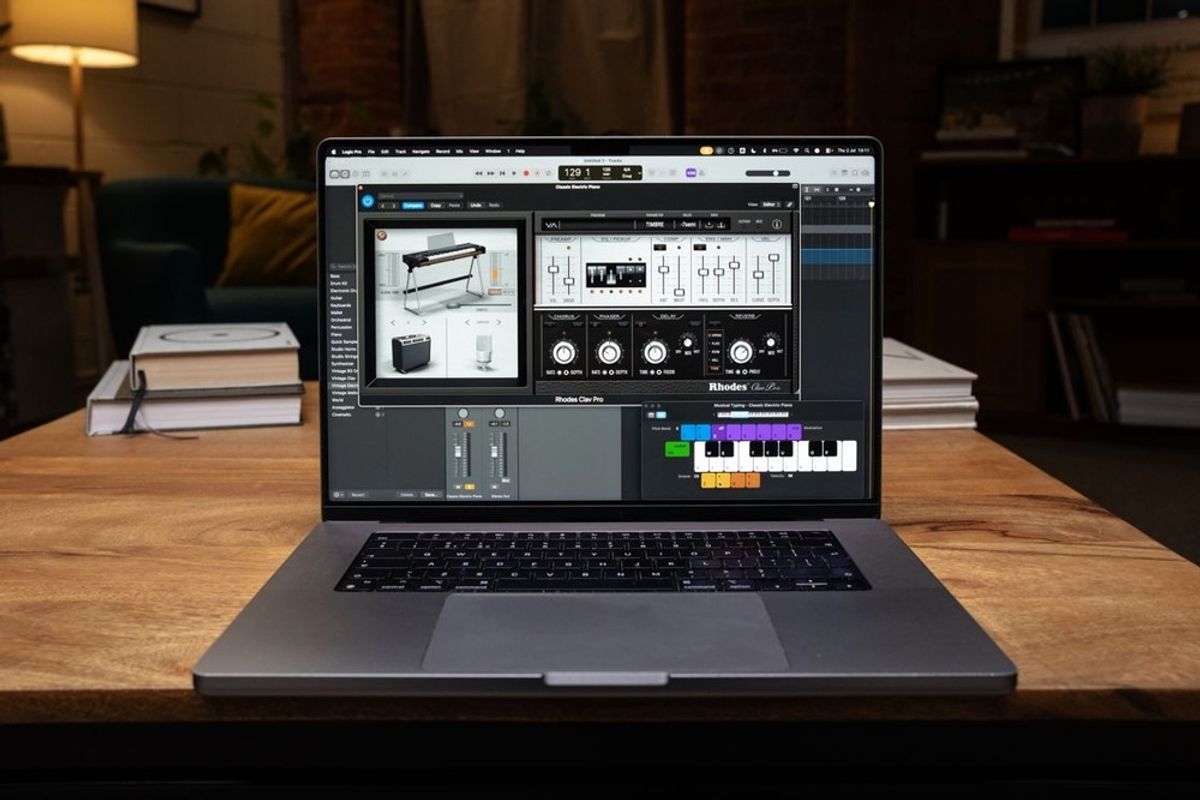
The Rhodes Clav Pro is a virtual instrument plugin from Rhodes Music, launched July 30, 2026. Compatible with every major DAW — Logic Pro, Ableton Live, FL Studio, Pro Tools, and Cubase — it runs as a VST3, AU, or AAX plugin on both Mac and Windows. Think of it as a meticulously engineered digital twin of a rare 1977 Clavinet D6 “Transition” model. Not a guess, not a rough approximation — a deeply sampled, painstakingly modeled recreation.
This is the instrument that powered “Superstition” by Stevie Wonder, “Chameleon” by Herbie Hancock, and “Could You Be Loved” by Bob Marley. The one that made keyboards sound like rhythm guitars. And now you can have it in your session for less than a dinner out in most cities.
The Spec Breakdown
Here’s everything on the table — laid out clean, no fluff:
| Feature | Detail |
|---|---|
| Source Instrument | Rare 1977 Hohner Clavinet D6 “Transition” model |
| Sampling Method | Multi-sampled by Rhodes’ in-house sound design team |
| Plugin Formats | VST3, AU, AAX |
| OS Support | macOS 11+, Windows 10+ |
| Pickup Emulation | 1:1 recreation of original pickup selection & EQ circuitry |
| Mute Control | Authentic mute slider (classic Clav technique) |
| Drive Section | Dedicated Drive, Compressor, Envelope/Wah controls |
| Timbre Shift | Real-time tonal variation — pristine studio to road-worn grit |
| Amp Simulations | L5, JC, and Duo amp models |
| Mic Options | Dynamic and condenser microphone options |
| Cabinet Resonance | Adjustable; authentic key noise modeling included |
| Performance Features | Sustain pedal support + pitch bend (beyond original hardware) |
| Built-in FX | Chorus, Phaser, Delay, premium Reverb |
| Engine | Same platform as Rhodes Anthology |
| Introductory Price | $89.95 USD (regular: $129.95) |
| Trial Available | 14-day free trial via Rhodes Music store |
What Rhodes Isn’t Telling You
Every press release tells you the good stuff. Here’s what you won’t find in the official announcement.
The “Missing Piece” — Mic Blending
Rhodes gives you dynamic and condenser mic options. Good. But here’s the thing: you can’t blend them. You pick one or the other — you can’t mix both simultaneously to taste. Fans of the brand have already flagged this on Gearspace, and they’re right to push back. Mixing a little condenser sparkle with the warmth of a dynamic is a classic studio move. Not having that option is a noticeable gap for serious producers who want that extra level of tonal control.
“Transition Model” — Marketing or Meaningful?
Rhodes is very proud of their 1977 “Transition” D6. And they should be — it’s genuinely rare. But “Transition” refers to a specific manufacturing period when Hohner was shifting production methods, resulting in a slightly different tonal character. The honest question: does that distinction matter to someone who just wants a great Clav sound? Probably not. But it does mean the plugin captures one specific flavor of the D6. If you’re chasing an earlier, darker D6 tone, you might notice the difference.
No Standalone Mode Listed
The Clav Pro is a plugin — VST3, AU, AAX. If you’re building a live performance rig and want to run it without a full DAW open, that workflow isn’t explicitly supported. Check our full home studio equipment guide if you need to figure out how to structure your live setup around plugins like this. For pure studio work? Not an issue. For the gigging keyboardist who wants plug-and-play? Worth thinking about first.
The Bottom Line on the “Gaps”
None of these gaps are dealbreakers. But you should know about them before you buy. The mic blending issue is the most legitimate criticism — it’s a feature that competitors like Keyscape don’t restrict. Whether Rhodes addresses it in a future update remains to be seen.
How Does It Stack Up Against the Competition?
The clavinet plugin market isn’t huge, but there are real alternatives. Let’s be direct about where the Rhodes Clav Pro lands.
✅ Rhodes Clav Pro
$89.95 intro / $129.95 full
Sampled from a rare 1977 D6. Drive, Wah, Timbre Shift, modern FX suite, made by the legacy brand. The most production-ready Clav plugin available right now.
★ Best overall value
🎹 Spectrasonics Keyscape
~$399
The gold standard collection. Has a superb Clav. But you’re buying a full library — overkill if you just need a great Clavinet. Mic blending is excellent here.
Better if you need everything
🎛️ Soniccouture Clavinet
~$95
Long considered the best dedicated Clav plugin. Deep sampling, 31 velocity layers. Still competitive — but lacks the modern FX suite and brand authenticity of Clav Pro.
Close competitor
Here’s the real talk: if you already own Keyscape, the Clav Pro won’t change your life. Keyscape is still the prestige option. But if you’ve been making do with a generic Clav preset in your synth or a basic sample pack, the Clav Pro is the upgrade you’ve been waiting for. It punches way above its price point — and it comes from the one brand that actually has the legacy to back up its claims.
Pair it with a quality MIDI keyboard controller with good velocity sensitivity, and this plugin will genuinely transform the feel of your productions. The mute slider behavior alone — that percussive thwack when strings are partially damped — is something you won’t get from cheaper alternatives.
💡 Real-world verdict: In head-to-head comparisons already circulating on YouTube, the Rhodes Clav Pro holds its own against genuine 1977 hardware with remarkable fidelity. That’s the benchmark that matters — not how it sounds next to other plugins, but how close it gets to the thing it’s trying to be.
Who Should Actually Buy the Rhodes Clav Pro?
Don’t buy on hype alone. Here’s an honest breakdown of who will love this and who should save their money.
✅ Buy This If…
- You produce funk, soul, R&B, or neo-soul and want authentic Clav character
- You’re a beginner-to-intermediate keyboardist who can’t afford a vintage D6
- You’re building out a home studio and need legit keyboard sounds beyond a basic GM set
- You already own other Rhodes plugins and want workflow consistency
- You want a 14-day trial before committing — zero risk
- The $89.95 intro price is still live — grab it before it jumps to $129.95
❌ Skip This If…
- You already own Spectrasonics Keyscape — you have a great Clav already
- You need mic blending as a non-negotiable feature
- Your productions never venture into funk, soul, or rock territory
- You need a standalone mode for live gigging without a DAW open
- Your plugin budget is tight and you’re happy with your current Clav sound
Why the Clavinet Sound Still Matters in 2026
You might be wondering: is a vintage 1970s keyboard instrument sound really relevant in today’s production landscape? The answer — emphatically — is yes. The Clavinet’s percussive attack and rhythmic bite never went out of style. It lives in modern hip-hop, neo-soul, indie pop, and cinematic scoring. The resurgence of funk and groove-based music has made the Clav as relevant in 2026 as it was in 1972.
And here’s the thing about that sound: it’s hard to fake convincingly with a synthesizer. A Clav isn’t a synth — it’s an electro-acoustic instrument with mechanical string interactions that give it an unpredictable, alive quality. Sampled instruments replicate this far better than any oscillator-based approximation. That’s exactly why the approach Rhodes took — deep, meticulous multi-sampling of a real instrument — is the right move.
“The remit was to preserve all the feel, bite, and attitude of a beautifully set-up original D6, while extending its sonic and sound-shaping capabilities far beyond its original design.”
Dan Goldman, Chief Product Officer, Rhodes Music
That quote isn’t marketing fluff — it describes the actual design philosophy you hear when you load the plugin and play your first chord. The attack is immediate. The decay has that characteristic bloom. The mute slider changes the timbre in ways that feel physical and real, not like a filter being tweaked on a screen.
For content creators scoring short-form video or podcast intros, this is also a goldmine. A single Clav stab can transform a flat music bed into something with genuine personality. Combined with a solid audio interface setup and a capable MIDI controller, your production workflow just leveled up significantly.
The Rhodes Clav Pro Is the Plugin the Genre Deserved
Here’s where we land: the Rhodes Clav Pro is the most credible, production-ready Clavinet plugin available at this price point. It’s not just a clever sample library — it’s a thoughtful recreation that extends the original instrument’s capabilities with modern features like pitch bend, sustain pedal support, and a full built-in effects suite. The Timbre Shift alone, letting you move from a pristine studio shimmer to a gritty, road-worn character in real time, is the kind of feature that makes a plugin genuinely fun to play.
Is it perfect? No. The mic blending limitation is real, and worth noting. But at $89.95 — especially with a 14-day free trial — the risk of trying it is essentially zero. Load it up, play Stevie Wonder’s “Superstition” intro riff, and tell us it doesn’t put a grin on your face.
For anyone serious about getting authentic vintage keyboard sounds into their productions without the vintage hardware price tag or the maintenance headaches, the Rhodes Clav Pro is a clear and confident recommendation. Make sure your DAW setup is dialed in before you install it — then go make something funky.
🔗 Official Plugin Page
Try the Rhodes Clav Pro free for 14 days or grab it at the introductory price before it expires.
Your Turn — Tell Us What You Think
Does the Rhodes Clav Pro look like a winner to you, or is the lack of mic blending a dealbreaker? Are you upgrading from a basic Clav preset — or coming from Keyscape? Drop your take in the comments below. We read every one, and your real-world experience helps other producers make smarter decisions.