What is EQ Or Equalization?
EQ is short for equalization. Equalization is used to make adjustments to the frequencies of sounds. With some digital audio editors, this process will include boosting (adding more intensity) or attenuating (making less intense) certain frequency ranges, while leaving others unaffected.
An equalizer works by increasing or decreasing the volume of bass, mid, and treble frequencies in a sound. You can use this process to enhance certain characteristics of your recording or to cut out characteristics you don’t want.
Remember, equalization doesn’t just apply to your recordings. What you do with an equalizer will have an effect on the sound of whatever you’re listening to through your speakers or headphones. What you do with EQ will influence the overall sound, therefore it’s an important technique to understand if you want to take your recording projects to the next level.
How Does EQ Work?
EQ is an important tool in the music production process. What it does is make changes to the frequency content of your recording, which means that it adjusts how much bass, treble, and mid frequencies are present. What this results in is a more “even” sound where every instrument will have similar levels of energy at all frequencies or a certain instrument will be made more prominent or subtle depending on what you’re looking to do.
Cases When EQ Is Necessary
To hear the full frequency spectrum of your sounds, you want to have a flat frequency response. What does this mean? It means that every sound has similar levels of energy at all frequencies. If one or multiple sounds have too much or too little energy at certain frequencies, then you’ll be unable to hear those frequencies.
You will want to use EQ when you record instruments and vocals because it gives your sounds a “fuller” or richer sound. What does this mean? With EQ, you can make the low-frequency sounds (bass) more intense and high frequency sounds louder as well. What this results in is a fuller, thicker quality
An Overview Of EQ Frequencies
The Treble or High Frequencies
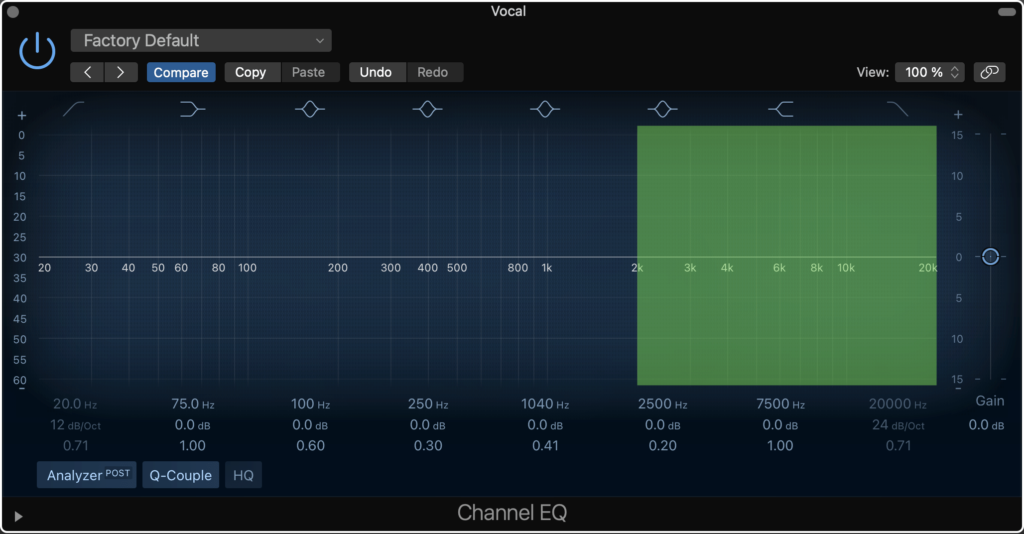
This area of sound is between 2,000 Hz and 20 kHz. The high frequencies are the top notes in your music, and the sounds that listeners hear as “shimmering” or bright. What you do with EQ will influence how much high-frequency energy you have in your recording.
The Mid Frequencies
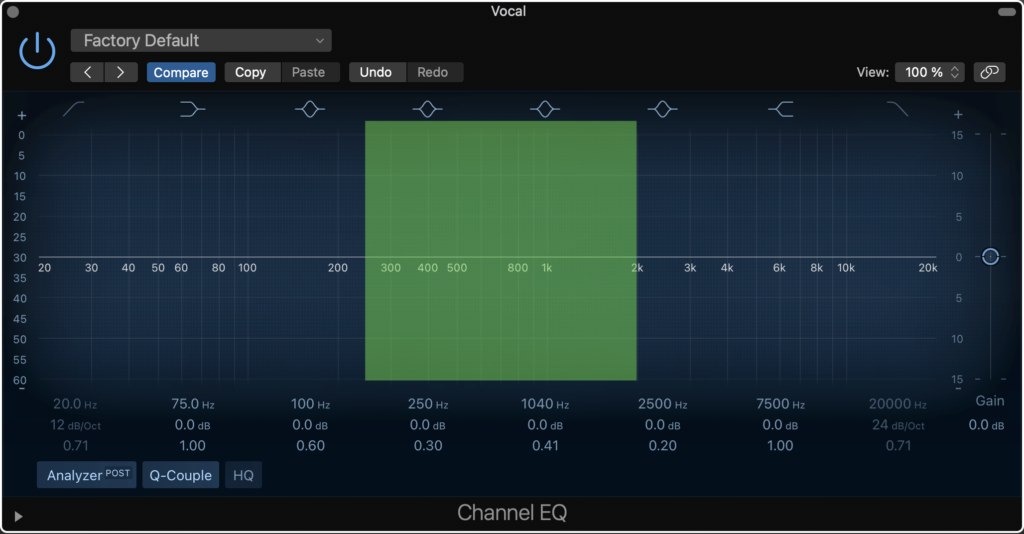
These is the mid-range or middle frequencies. This is the area of sound between 250 Hz and 2,000 Hz. What happens in this frequency range is most noticeable to the listener’s ear. What you do with an EQ will influence how your audience hears most of the middle frequencies.
The Bass or Low Frequencies
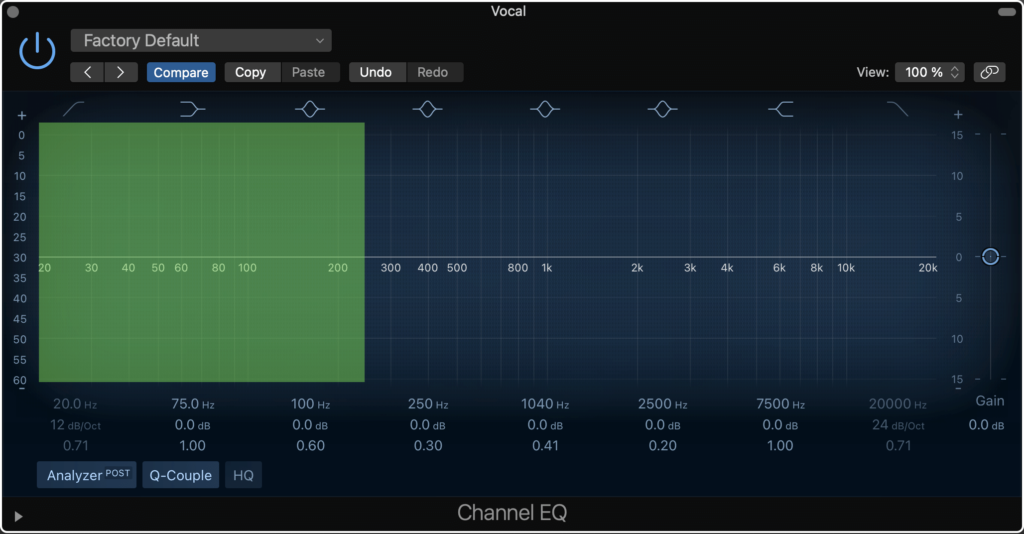
The bass frequencies are between 20 Hz and 250 Hz. This is the area of sound that people refer to when they talk about the “low end” or bass. When you use an equalizer, you are adjusting the amount of bass in your recording. Think of this frequency range as an area for low sounds, like kick drums or bass guitars.
How To Use An Equalizer?
Removing Unwanted Frequencies
When you edit with EQ, the first thing that you’ll want to learn is how to remove frequencies that don’t belong in your sound. What does this accomplish? What it does is clean up the sound of your instrument or voice, so that you can hear what’s going on more clearly.
Boosting Frequencies
You may also use an equalizer to boost specific frequencies in your recording. What happens with this process is that you are emphasizing the presence of certain sounds so that they stand out. What this means is that boosting can help you bring out important elements, like vocals or bass drums.
To use an equalizer to remove frequencies in your recording, you simply want to cut or reduce what you don’t want.
EQ Filters
High Cut Filter (or Low Pass Filter)
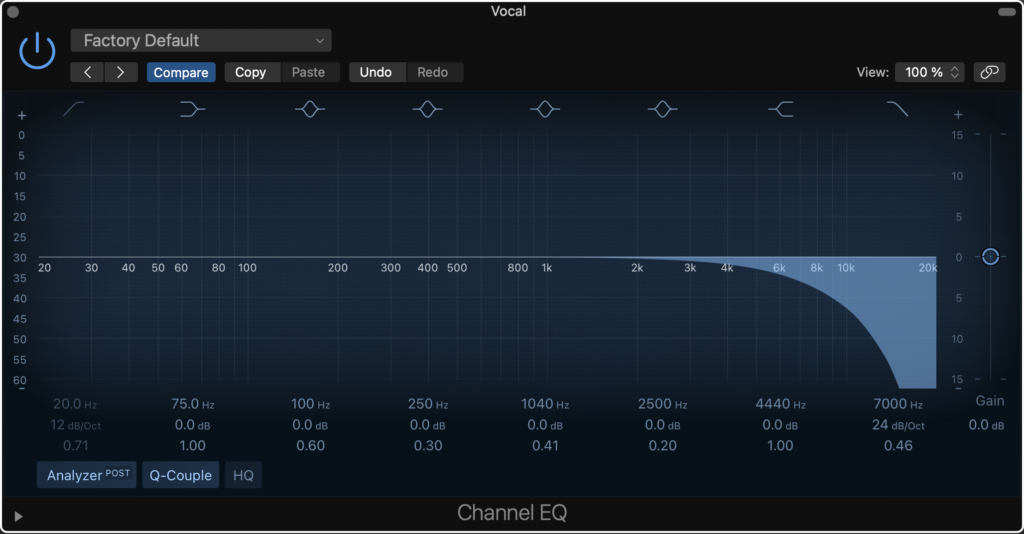
What this does is reduce the amount of high frequencies in your sound. What this results in is a more mellow or “warm” quality to the sound.
High Shelf Filter
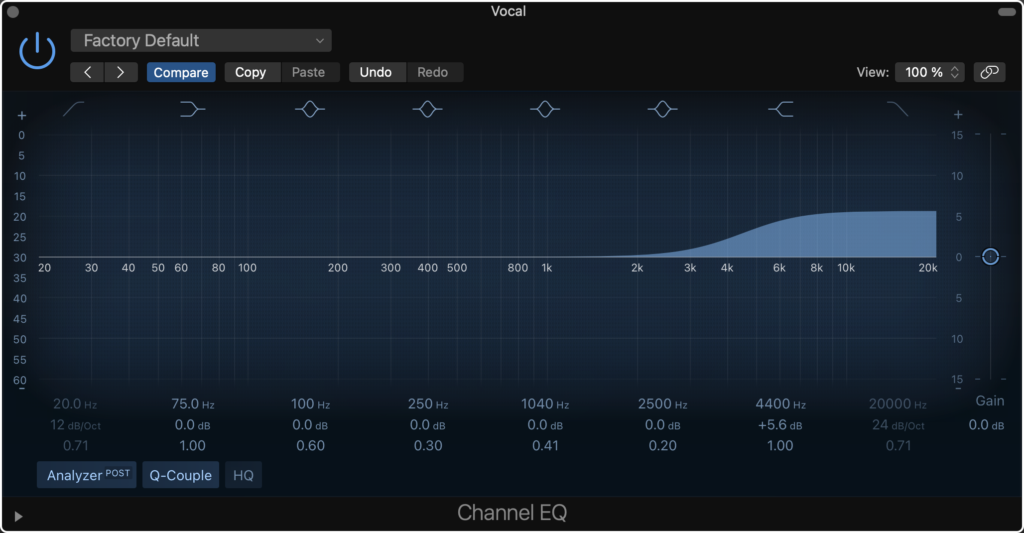
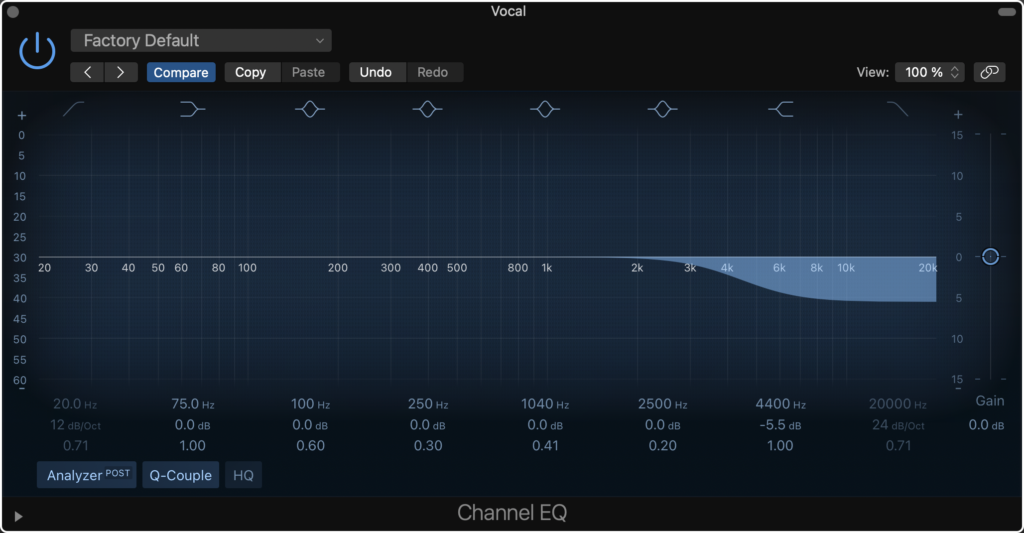
The high shelf filter is used to boost or reduce the energy of the high frequencies in your recording. What this does is make the sounds in that area of the frequency spectrum more or less intense. What you’ll want to do is experiment with different frequencies until you find what sounds best to you.
Bell Filter
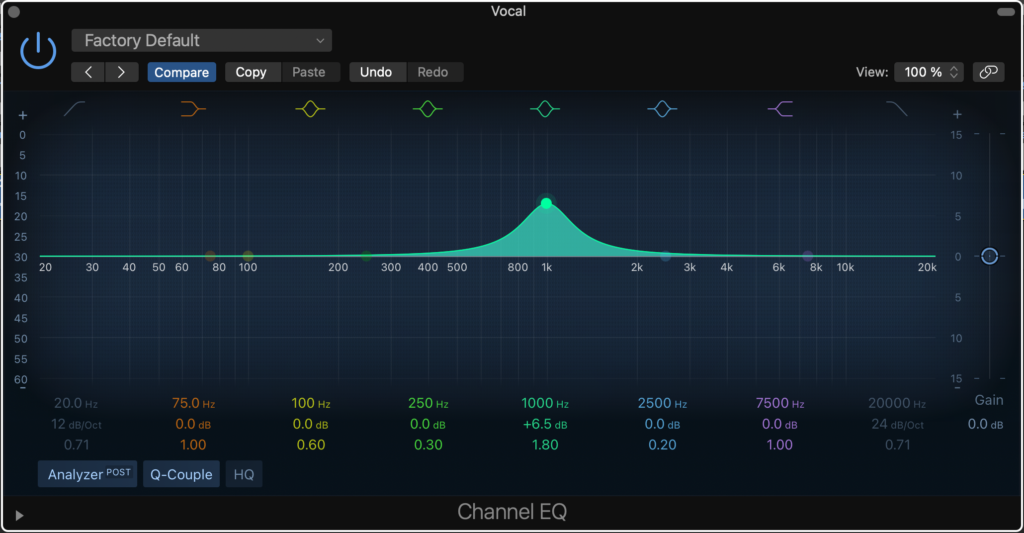
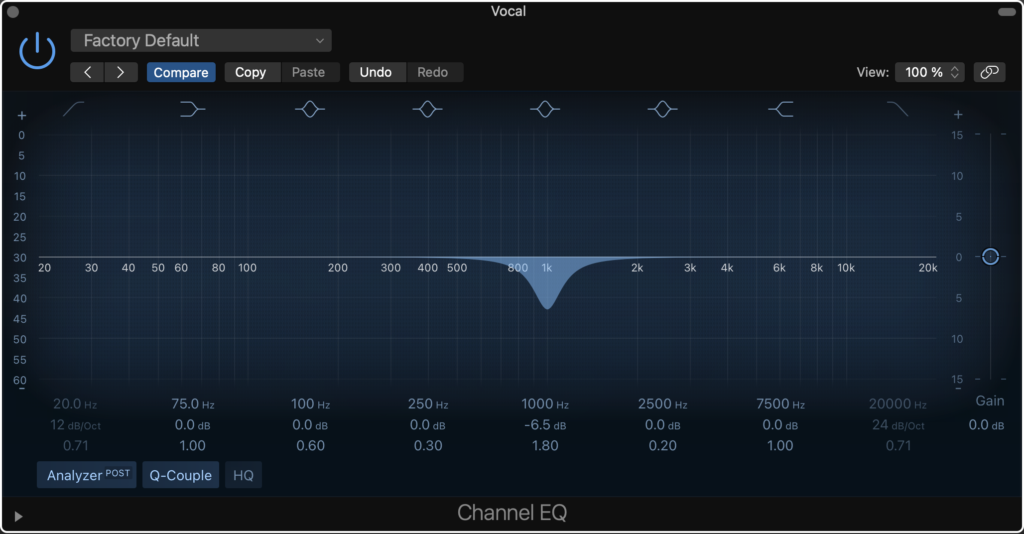
This bell filter is used to adjust the high frequencies. What it does is boosts or attenuates (lowers) the level of the frequencies in a certain range. What you’ll want to do is set the frequency that you want to adjust, and then boost or attenuate the sound.
Low Shelf Filter
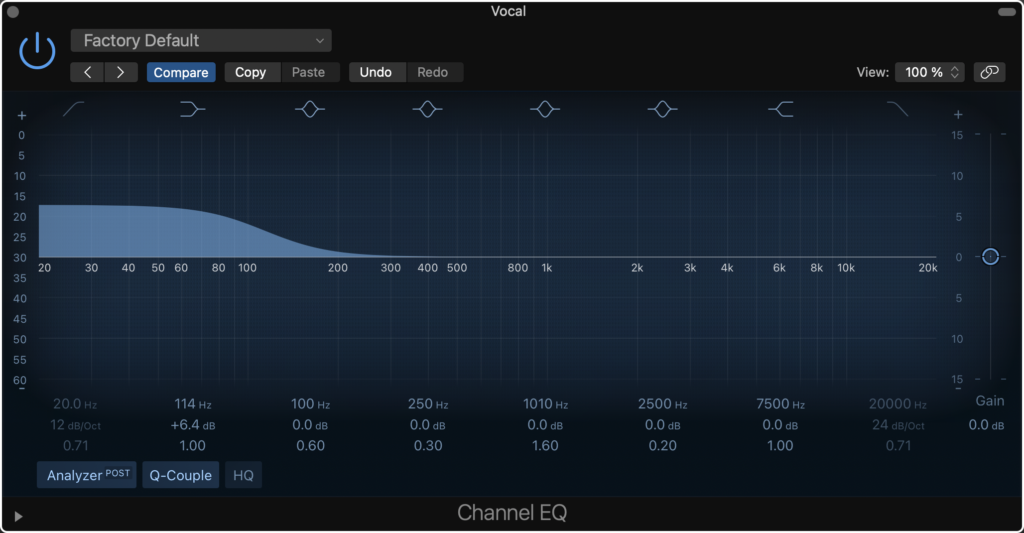
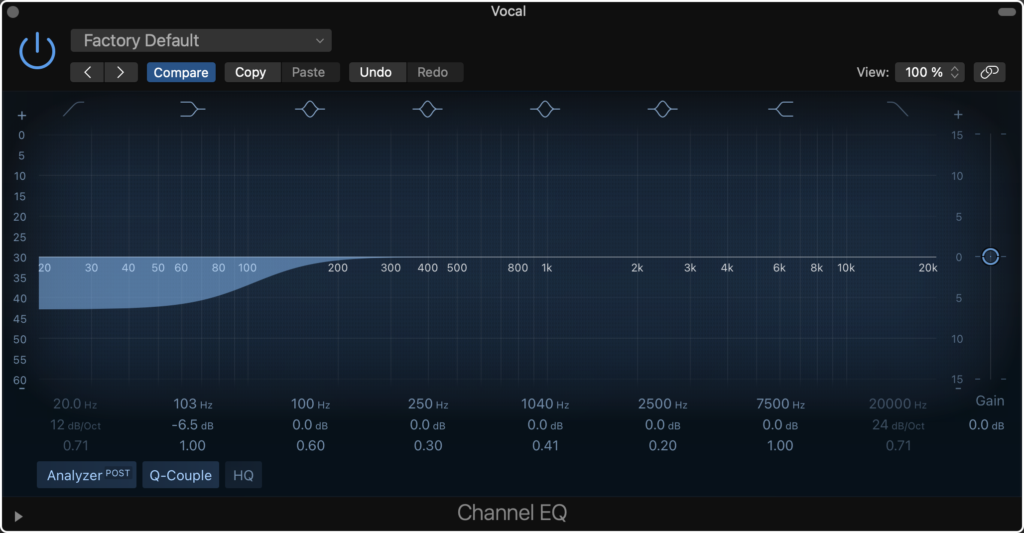
The low-shelf filter is used to boost or attenuate (reduce) the energy of the lower frequencies in your recording. It makes the sounds in that area of the frequency spectrum more or less intense. What you’ll want to do is experiment with different frequencies until you find what sounds best to you.
Low Cut Filter (or High Pass Filter)
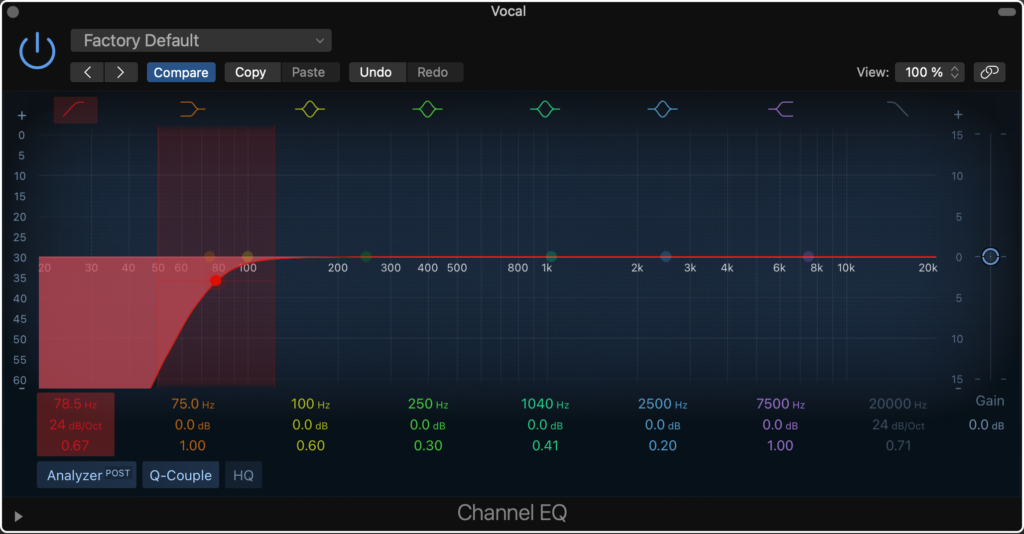
The high-pass filter on your EQ is used to reduce the lower frequencies. What this does is clean up muddiness in your recording, and makes what you have left sound more even and balanced.
What Are The Pitfalls Of Using EQ (incorrectly)?
Over-boosting
You may also run into problems when using EQ in your recording, like when you boost too much. What this does is make everything sound “overpowering”, because the parts that you’ve amplified are highlighted in a strange way. This means that if you don’t want to make your recording sound strange or weird, then be sure to avoid over-boosting.
Boosting too much can also lead to a “scratchy” sound, because you’re emphasizing the noise and other components that aren’t supposed to be prominent in your recording. You need to know how much is just right.
Under-boosting
Underboosting frequencies can make your recording sound too flat, and it can’t compete because you’re not emphasizing the elements that the listener needs to hear most.
An example of this is not boosting your high frequencies enough. What you would hear is the sound as if the top notes of your music were muted, and it can’t compete because what you want to stand out isn’t present. This would lead to a recording that sounds “weak”, because there aren’t any bright sounds that cut through the mix.
Final Thoughts
What EQ does in your recording is to make it sound pleasing to listen to. What you do with the way you boost and cut frequencies will influence what the audience hears.
What you should do with an equalizer is to balance what’s going on in your recording so that everything sounds harmonious and even. What this allows for is a more cohesive and well-rounded sound that will help you get the best sound possible.