Welcome to the ultimate guide on the best dynamic microphones for vocals and singing! As a studio engineer, I’ve had my fair share of experiences with various microphones, and I can tell you that the right mic can make all the difference in capturing that perfect vocal sound. Whether you’re a seasoned pro or just starting your recording journey, understanding dynamic microphones will help you elevate your vocal recordings to new heights.
So, let’s dive in!
What are Dynamic Microphones?
Dynamic microphones are a popular choice for vocal recording, known for their durability and ability to handle high sound pressure levels (SPL). Unlike condenser mics, which require phantom power and are more sensitive, dynamic mics are robust and can withstand the rigors of live performances and studio sessions alike.
They work by using a diaphragm attached to a coil of wire, which moves within a magnetic field to generate an electrical signal. This design makes them less sensitive to background noise, making them ideal for live settings and untreated rooms.
Key Features to Consider
When choosing a dynamic microphone, there are several key features to keep in mind:
- Frequency Response: Look for a mic that captures the full range of your voice. A frequency response of 20 Hz to 20 kHz is standard for vocals.
- Polar Pattern: Most dynamic mics have a cardioid pattern, which picks up sound from the front while rejecting noise from the sides and rear. This is crucial for minimizing feedback in live settings.
- Sensitivity: Higher sensitivity means the mic can pick up quieter sounds. However, for loud vocals, a lower sensitivity can help prevent distortion.
- Durability: A well-built mic can withstand the wear and tear of regular use. Look for models with metal housings and sturdy grilles.
- Versatility: Some mics perform well for both vocals and instruments, making them a great all-around choice for your studio.
Top Dynamic Microphones for Vocals
Here’s a roundup of the best dynamic microphones for vocals and singing that you should consider:
| Microphone Model | Key Features | Price Range |
|---|---|---|
| Shure SM7B | Flat frequency response, excellent noise rejection | $$ |
| Telefunken M80 | Bright sound, versatile for vocals and instruments | $$$ |
| Sennheiser MD 421-II | Wide frequency response, great for live and studio use | $$$ |
| Electro-Voice RE20 | Variable-D design, minimal proximity effect | $$$ |
| sE Electronics V7 | Excellent feedback rejection, durable build | $$ |
| Audio-Technica ATR2100x-USB | USB and XLR connectivity, great for beginners | $ |
| Beyerdynamic M88 TG | Hypercardioid pattern, versatile for vocals and drums | $$ |
| Rode Podmic | Built for podcasting, excellent sound quality | $$ |
| Shure SM58 | Industry standard for live vocals, rugged design | $ |
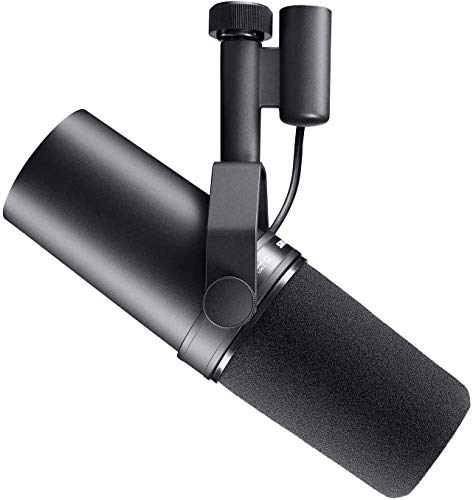
Shure SM7B
Overview:
The Shure SM7B is a legendary dynamic microphone celebrated for its exceptional sound quality and durability. Known for its smooth, flat, and wide-range frequency response, it excels in both music and speech applications, making it a favorite among podcasters, musicians, and vocal artists. The SM7B features an effective internal pop filter that significantly reduces plosive sounds, allowing for clean vocal recordings. Its ability to capture warm and rich vocals while effectively rejecting electromagnetic hum makes it particularly valuable in home studio settings filled with electronic devices.
When it comes to vocal recording, the SM7B shines by capturing the richness and nuances of the voice. It provides a balanced sound with both body and clarity, making it versatile across various vocal types and ranges. The recorded sound is often rich and radio-ready with minimal post-production required. However, to get the best performance out of this microphone, it may require a decent preamp with sufficient gain, which is an important consideration for those looking to make it their go-to mic.
Specs:
- Frequency Response: 50Hz to 20kHz
- Polar Pattern: Cardioid
- Impedance: 150 ohms
- Sensitivity: -59 dB
- Connector: XLR
Pros:
- Exceptional sound quality with a flat frequency response
- Efficient at rejecting background noise
- Includes internal pop filter and shock mount
- Durable construction that stands the test of time
Cons:
- Requires a good preamp with plenty of gain
- Higher price point than some entry-level mics
- Heavier and bulkier, which might require a robust mic stand
Price:
The Shure SM7B is typically priced at the higher end of the dynamic microphone market, usually around $350 – $400 USD. This investment is well worth it for serious vocal recording, given its professional quality and reliability.
In conclusion, the Shure SM7B lives up to its reputation as a top-tier microphone. It’s a well-rounded choice that can elevate vocal recordings to professional standards. When paired with the right equipment and settings, this microphone can truly make your voice shine. If you’re serious about recording, the SM7B should be at the top of your list.
Telefunken M80

Overview:
The Telefunken M80 is a dynamic microphone that stands out for its bright and detailed sound signature. Designed to help vocals cut through the mix, the M80 is an excellent choice for both studio and live applications. Its retro-inspired design not only looks great but also contributes to its robust build quality. The M80 is versatile enough to handle vocals as well as instruments, making it a valuable addition to any recording setup.
When recording with the M80, users will appreciate its ability to deliver clarity without harshness. This microphone is particularly effective for capturing the nuances of a singer’s voice, making it a favorite among vocalists. Its cardioid polar pattern helps reject off-axis noise, ensuring that the focus remains on the sound source. Whether you’re in a studio or on stage, the M80 provides a reliable performance that won’t disappoint.
Specs:
- Frequency Response: 40Hz to 20kHz
- Polar Pattern: Cardioid
- Impedance: 200 ohms
- Sensitivity: -54 dB
- Connector: XLR
Pros:
- Bright and detailed sound for vocals
- Versatile for both vocals and instruments
- Robust build quality with a stylish design
- Excellent off-axis rejection
Cons:
- Slightly higher price point than some competitors
- May require additional EQ adjustments for specific vocal types
Price:
The Telefunken M80 is generally priced around $300 – $400 USD, reflecting its professional quality and performance. For those seeking a dynamic microphone that combines style and substance, the M80 is a worthy investment.
In summary, the Telefunken M80 is an outstanding dynamic microphone that delivers impressive sound quality and versatility. Its ability to capture detailed vocals while rejecting background noise makes it an excellent choice for both studio and live use.
Sennheiser MD 421-II

Overview:
The Sennheiser MD 421-II is a dynamic microphone renowned for its exceptional sound quality and versatility. With a wide frequency response and the ability to handle high sound pressure levels, this microphone is perfect for capturing everything from vocals to instruments. One of its standout features is the five-position bass roll-off switch, which allows users to tailor the low-end response to suit different recording environments and vocal styles.
When it comes to vocal recording, the MD 421-II excels at isolating the sound source thanks to its cardioid polar pattern. This makes it a popular choice for live performances and studio sessions alike. The microphone’s rugged construction ensures that it can withstand the rigors of regular use, making it a reliable option for both professionals and hobbyists.
Specs:
- Frequency Response: 30Hz to 17kHz
- Polar Pattern: Cardioid
- Impedance: 200 ohms
- Sensitivity: -54 dB
- Connector: XLR
Pros:
- Wide frequency response for versatile applications
- Five-position bass roll-off switch for tailored sound
- Rugged design for durability
- Excellent isolation from background noise
Cons:
- Heavier than some other dynamic mics
- Price may be higher than entry-level options
Price:
The Sennheiser MD 421-II typically retails for around $350 – $400 USD. This investment is justified by its high-quality sound and durability, making it a favorite among audio professionals.
In conclusion, the Sennheiser MD 421-II is a versatile dynamic microphone that delivers outstanding performance for both vocals and instruments. Its ability to adapt to different recording situations makes it a valuable tool for any studio or live setup.
Electro-Voice RE20

Overview:
The Electro-Voice RE20 is a dynamic microphone that has earned its place as a favorite among broadcasters and recording engineers alike. Known for its Variable-D design, the RE20 minimizes proximity effect, allowing for consistent sound quality regardless of the distance from the mic. This feature is particularly beneficial for vocalists who may move around during a performance or recording session.
With a frequency response tailored for vocals, the RE20 captures warm and detailed sound. Its steel case and humbucking coil provide excellent protection against electromagnetic interference, ensuring a clean signal. Whether you’re recording vocals, voiceovers, or instruments, the RE20 delivers impressive results that stand up to professional scrutiny.
Specs:
- Frequency Response: 45Hz to 18kHz
- Polar Pattern: Cardioid
- Impedance: 150 ohms
- Sensitivity: -58 dB
- Connector: XLR
Pros:
- Variable-D design minimizes proximity effect
- Excellent sound quality for vocals and instruments
- Durable steel construction
- Effective at rejecting background noise
Cons:
- Higher price point compared to some other dynamic mics
- May require a good preamp for optimal performance
Price:
The Electro-Voice RE20 is typically priced around $450 USD, reflecting its professional quality and features. For those serious about their audio recordings, this microphone is a worthy investment.
In summary, the Electro-Voice RE20 is a versatile dynamic microphone that excels in both studio and live settings. Its ability to deliver consistent sound quality makes it a go-to choice for many audio professionals.

Overview:
The Audio-Technica ATR2100x-USB is a versatile dynamic microphone that offers both XLR and USB connectivity, making it an ideal choice for beginners and experienced users alike. This microphone allows for easy recording directly to a computer without the need for additional equipment, making it perfect for podcasting, streaming, and home recording. Despite its budget-friendly price, the ATR2100x-USB delivers clear and detailed sound quality that rivals more expensive options.
When recording with the ATR2100x-USB, users will appreciate its solid build and user-friendly design. The cardioid polar pattern effectively isolates the sound source while minimizing background noise, ensuring clean recordings. With included accessories like a tripod stand and carrying pouch, this microphone is ready to go right out of the box, making it a convenient choice for those just starting their recording journey.
Specs:
- Frequency Response: 50Hz to 15kHz
- Polar Pattern: Cardioid
- Impedance: 600 ohms
- Sensitivity: -50 dB
- Connector: USB/XLR
Pros:
- Dual connectivity options (USB and XLR)
- Clear sound quality suitable for vocals and instruments
- Durable construction with included accessories
- Affordable price point
Cons:
- Limited frequency response compared to higher-end mics
- USB connection may not be ideal for all professional setups
Price:
The Audio-Technica ATR2100x-USB typically retails for around $100 USD, making it an excellent entry-level microphone for those looking to get started with recording.
In summary, the Audio-Technica ATR2100x-USB is a versatile and affordable dynamic microphone that provides great value for beginners. Its dual connectivity and solid performance make it a fantastic choice for anyone looking to start their recording journey.

Overview:
The Beyerdynamic M88 TG is a dynamic microphone designed for professional use in both studio and live settings. Known for its hypercardioid polar pattern, the M88 TG offers exceptional isolation, making it ideal for recording drums and other loud instruments. Its frequency response is tailored to capture the attack and transients of percussive sounds, ensuring that every detail is preserved in the mix.
When using the M88 TG for vocals, users will find that it delivers a warm and rich sound that stands out in any recording. Its robust construction ensures reliability even in demanding environments, making it a trusted choice for professionals. While it may not be as widely recognized as some other dynamic mics, the M88 TG is a hidden gem that delivers impressive results for those willing to explore beyond the mainstream options.
Specs:
- Frequency Response: 20Hz to 20kHz
- Polar Pattern: Hypercardioid
- Impedance: 200 ohms
- Sensitivity: -54 dB
- Connector: XLR
Pros:
- Excellent isolation with hypercardioid pattern
- Tailored frequency response for percussive sounds
- Durable build quality for reliable performance
- Versatile for both vocals and instruments
Cons:
- Slightly higher price point than entry-level options
- May require additional EQ adjustments for specific applications
Price:
The Beyerdynamic M88 TG typically retails for around $300 USD, reflecting its professional quality and performance.
In conclusion, the Beyerdynamic M88 TG is a versatile dynamic microphone that excels in both studio and live settings. Its ability to deliver detailed sound and exceptional isolation makes it a valuable tool for any audio professional.

Overview:
The Rode Podmic is a dynamic microphone specifically designed for podcasting and voiceover applications. With its cardioid polar pattern and internal pop filter, the Podmic effectively minimizes plosive sounds and background noise, ensuring clean and professional-sounding recordings. Its compact size and sturdy metal construction make it easy to position and durable enough to withstand regular use.
When recording with the Podmic, users will appreciate its clear and natural sound, which is tailored for spoken word applications. While it may not be as versatile as some other dynamic mics, the Podmic excels at its intended purpose, providing excellent value for podcasters and voice artists looking to upgrade their setup. Its affordable price and high-quality performance make it a popular choice in the podcasting community.
Specs:
- Frequency Response: 20Hz to 20kHz
- Polar Pattern: Cardioid
- Impedance: 320 ohms
- Sensitivity: -56 dB
- Connector: XLR
Pros:
- Designed specifically for podcasting and voiceovers
- Internal pop filter for cleaner recordings
- Durable construction with a compact design
- Excellent sound quality for spoken word applications
Cons:
- Limited versatility for other recording applications
- Requires an audio interface for XLR connection
Price:
The Rode Podmic typically retails for around $100 – $150 USD, making it a great value for those focused on podcasting and voiceover work.
In summary, the Rode Podmic is an excellent dynamic microphone tailored for podcasting and voiceover applications. Its clear sound and durable design make it a reliable choice for anyone looking to enhance their audio recordings.

Overview:
The Shure SM58 is an industry-standard dynamic microphone that has been a staple in live performances and recording studios for decades. Known for its cardioid polar pattern and tailored frequency response, the SM58 is ideal for capturing clear, natural-sounding vocals. Its rugged construction and built-in pop filter allow it to withstand the rigors of live use, making it a reliable choice for musicians and performers of all levels.
When using the SM58 for vocals, users will appreciate its ability to deliver a warm and full sound. While it may not offer the same level of detail and clarity as more expensive dynamic mics, the SM58’s reliability and consistent performance make it a safe choice for those looking for a workhorse vocal microphone. Its affordability and widespread availability further solidify its status as a go-to option for vocalists.
Specs:
- Frequency Response: 50Hz to 15kHz
- Polar Pattern: Cardioid
- Impedance: 150 ohms
- Sensitivity: -54 dB
- Connector: XLR
Pros:
- Industry standard for live vocals
- Rugged and durable construction
- Built-in pop filter for cleaner recordings
- Affordable and widely available
Cons:
- Limited frequency response compared to higher-end mics
- May lack detail for studio applications
Price:
The Shure SM58 typically retails for around $100 USD, making it an accessible option for musicians and performers.
In conclusion, the Shure SM58 is a reliable dynamic microphone that has stood the test of time. Its durability and consistent performance make it a favorite among vocalists, and its affordability ensures that it remains a popular choice for anyone looking to capture quality vocal recordings.
Polar Patterns and Dynamic Microphones
Understanding polar patterns is crucial when selecting a microphone. Here are the most common types you’ll encounter:
- Cardioid: Picks up sound primarily from the front, ideal for vocals in live settings.
- Supercardioid: Similar to cardioid but with a narrower pickup angle, providing better isolation from background noise.
- Omnidirectional: Captures sound equally from all directions, but is less common for vocals due to potential feedback issues.
Dynamic vs. Condenser Microphones
When it comes to recording vocals, you might wonder whether to choose a dynamic or condenser microphone. Here’s a quick comparison:
| Feature | Dynamic Microphones | Condenser Microphones |
|---|---|---|
| Sensitivity | Less sensitive, better for loud sources | More sensitive, captures subtle details |
| Durability | Very durable, ideal for live use | More fragile, requires careful handling |
| Power Requirement | No phantom power needed | Requires phantom power |
| Sound Quality | Warm and full sound, good for live settings | Detailed and clear, great for studio use |
Gain Considerations for Dynamic Microphones
Dynamic microphones often have lower output levels compared to condensers, which means you might need to adjust your gain settings accordingly. Here are some tips:
- Preamp Quality: Invest in a good preamp to boost the signal without adding noise.
- Placement: Position the mic close to the sound source to capture a stronger signal.
- Use a Cloudlifter: If you’re using a mic like the Shure SM7B, a Cloudlifter can help increase the gain while maintaining clarity.
High-pass Filters and Noise Reduction
Using a high-pass filter can be a game-changer when recording vocals. It helps eliminate low-frequency rumble and background noise, ensuring that your vocal recordings are clean and professional. Many modern audio interfaces and mixers come with built-in high-pass filters, so be sure to utilize this feature.
XLR vs. USB Dynamic Microphones
When selecting a dynamic microphone, you’ll encounter both XLR and USB options. Here’s a quick comparison:
| Feature | XLR Microphones | USB Microphones |
|---|---|---|
| Connection Type | Requires an audio interface or mixer | Plug-and-play with computers and devices |
| Sound Quality | Generally higher quality | Good for home use, but may lack some depth |
| Versatility | More versatile for various setups | Limited to computer-based recording |
Tips for Recording with Dynamic Microphones
To get the best results from your dynamic microphone, consider these practical tips:
- Microphone Placement: Position the mic about 6-12 inches from your mouth, angling it slightly to reduce plosives.
- Control Plosives: Use a pop filter or windscreen to minimize plosive sounds that can disrupt your recordings.
- Monitor Levels: Keep an eye on your recording levels to avoid clipping. Aim for a healthy signal without hitting the red.
Accessories and Add-ons for Dynamic Microphones
Enhancing your recording setup with the right accessories can make a significant difference. Here are some must-have items:
- Microphone Stands: A sturdy stand keeps your mic in place and allows for hands-free recording.
- Pop Filters: These help eliminate harsh plosive sounds, ensuring a smoother vocal recording.
- Shock Mounts: These reduce handling noise and vibrations, providing cleaner audio.
Frequently Asked Questions
What are dynamic mics better for?
Dynamic microphones excel in live settings and can handle high SPL, making them ideal for loud vocal performances and instruments.
What is the most popular dynamic microphone every singer uses and loves?
The Shure SM58 is a favorite among singers for its reliability, durability, and excellent sound quality.
What are the advantages of dynamic microphones over condenser microphones?
Dynamic mics are more durable, require no power, and are less sensitive to background noise, making them suitable for live performances.
How do polar patterns affect sound quality in dynamic microphones?
Polar patterns determine how a microphone picks up sound. A cardioid pattern focuses on the sound in front, reducing background noise, while omnidirectional captures sound from all directions.
What should I consider when adjusting the gain on a dynamic microphone?
Ensure your gain is set high enough to capture your voice clearly without distortion. Monitor levels to avoid clipping, and adjust based on the distance from the mic.
Conclusion
Choosing the best dynamic microphone for vocals and singing is crucial for achieving high-quality recordings. With options like the Shure SM7B and Telefunken M80, you have a variety of choices to suit your needs and budget. Remember to consider features like frequency response, polar patterns, and gain settings to find the perfect mic for your voice.Whether you’re recording in a studio or performing live, the right dynamic microphone will help you capture your sound beautifully. So, get out there, experiment with different mics, and find the one that makes your vocals shine! Happy recording!