Your voice is your instrument, and just like any finely-tuned tool, it needs proper care and maintenance. For singers, sore throats aren’t just uncomfortable—they can derail performances, compromise vocal quality, and even lead to long-term damage if not addressed properly.
That’s where throat lozenges for singers become an essential part of your vocal health toolkit. The right lozenge can soothe inflammation, reduce hoarseness, and provide the relief you need to keep performing at your best. But with dozens of options lining pharmacy shelves, how do you choose the one that’s truly best for your voice?
This comprehensive guide explores everything you need to know about selecting the best throat lozenges for singers in 2025, from understanding different types and ingredients to discovering top-rated products trusted by vocal professionals worldwide. Whether you’re a professional vocalist, choir member, or aspiring artist, you’ll find actionable insights to protect and enhance your vocal health.
Last updated: March 2026. This article is regularly reviewed and updated to ensure accuracy and relevance.
| Key Takeaways |
|---|
| Vocal health is crucial for singers—proper care prevents damage and extends your singing career. |
| Throat lozenges provide targeted relief for irritation, allowing you to maintain vocal performance. |
| Three main categories: soothing, medicated, and natural lozenges—each serves different purposes. |
| Key selection factors: ingredients, flavor, form/texture, brand reputation, and cost. |
| Top picks: VocalZone, GeloRevoice, Thayer’s, Ricola, GRETHER’S Pastilles, Halls, and Sambucol. |
| Preventative care matters: hydration, vocal warm-ups, proper technique, and rest are essential. |
| Avoid ingredients like benzocaine that can mask pain and lead to overuse injuries. |
Types of Throat Lozenges for Singers

Not all throat lozenges are created equal, especially when it comes to protecting your singing voice. Understanding the three main categories helps you make informed choices based on your specific needs and vocal health goals.
Soothing Lozenges
Soothing lozenges focus on coating and lubricating irritated throat tissues without heavy medication. These gentle formulations rely on ingredients like glycerin, honey, slippery elm, and marshmallow root to create a protective barrier over your vocal cords.
Popular options in this category include VocalZone Throat Lozenges and Thayer's Slippery Elm Lozenges. These work exceptionally well for daily vocal maintenance, pre-performance preparation, and mild throat dryness. The subtle flavors won’t overwhelm your palate, making them ideal for regular use throughout the day.
Unlike medicated varieties, soothing lozenges rarely cause side effects and can be used more freely. They’re particularly beneficial for singers who perform multiple shows in succession or spend long hours in rehearsal. Think of them as moisturizer for your vocal cords—they keep everything supple and functioning smoothly.
Medicated Lozenges
Medicated throat lozenges contain active pharmaceutical ingredients designed to target specific symptoms like pain, inflammation, or congestion. Common active ingredients include menthol, eucalyptus oil, benzocaine, and pectin.
Menthol provides that familiar cooling sensation while offering mild anesthetic properties. Brands like Halls Cough Drops, Luden's Throat Drops, and Fisherman's Friend Original Lozenges leverage menthol to temporarily numb throat discomfort and reduce the urge to cough. The cooling effect can also help open airways, making breathing feel easier.
Eucalyptus oil acts as a natural decongestant and anti-inflammatory. Products like Vicks VapoDrops and Ricola Natural Herb Throat Lozenges combine eucalyptus with other herbs to break up mucus and clear nasal passages that can affect vocal resonance.
However, singers should approach benzocaine-containing lozenges (like some Chloraseptic Sore Throat Lozenges varieties) with caution. While these oral anesthetics effectively numb pain, they can mask warning signs of vocal strain. When you can’t feel discomfort, you’re more likely to push your voice beyond safe limits, potentially causing serious damage. I recommend avoiding benzocaine products before performances or extended vocal use.
Note for singers with acid reflux: Menthol can relax the lower esophageal sphincter, potentially worsening reflux symptoms. If you experience frequent heartburn or GERD, opt for menthol-free alternatives.
Natural Lozenges
Natural throat lozenges prioritize organic, plant-based ingredients over synthetic chemicals. These formulations typically feature combinations of honey, propolis, zinc, echinacea, elderberry, and various herbal extracts known for their healing properties.
Honey serves as both a soothing agent and natural antimicrobial. It coats throat tissues while offering mild antibacterial benefits. Propolis, a resin collected by bees, contains powerful antioxidants and has been used for centuries to support immune function and throat health.
Zinc lozenges have gained scientific support for potentially shortening the duration of colds when taken at the first sign of symptoms. Products like Sambucol Black Elderberry Gummies combine immune-boosting vitamins (A, C, and E) with zinc and elderberry extract to both soothe current irritation and help prevent future issues.
Brands such as Wedderspoon Manuka Honey Pops, Ricola Natural Herb Throat Lozenges, and Beekeeper's Naturals Propolis Throat Spray (technically a spray, but similar concept) offer entirely natural ingredient lists. These appeal to singers who prefer holistic approaches to vocal care or those concerned about consuming artificial additives.
While natural doesn’t automatically mean more effective for severe pain, many singers report excellent results using natural lozenges for prevention and mild to moderate throat irritation. They’re generally safe for extended use and carry minimal risk of side effects.
Specialty Lozenges for Specific Needs
Beyond the three main categories, several specialty options address specific vocal concerns:
Dry mouth lozenges contain ingredients like xylitol that stimulate saliva production. Adequate saliva is crucial for vocal cord lubrication and overall throat comfort during extended speaking or singing.
Anti-inflammatory lozenges feature ingredients like licorice root or turmeric that specifically target swelling. GeloRevoice Throat Lozenges use a unique hydrogel formula to form a protective film while reducing inflammation—making them a favorite among professional singers in Europe.
Allergy-specific lozenges may include ingredients like quercetin or butterbur to address throat irritation caused by seasonal allergies rather than infection or overuse.
Factors to Consider When Choosing Throat Lozenges
Selecting the right throat lozenge requires more than just grabbing the first box you see. Consider these essential factors to find the perfect match for your vocal needs:
Ingredients: What to Seek and What to Avoid
The ingredient list tells you everything about how a lozenge will affect your voice. Here’s what to look for—and what to skip:
Beneficial ingredients for singers:
- Glycerin or pectin – Creates a soothing coating over irritated tissues
- Slippery elm bark – Traditional demulcent that reduces inflammation
- Honey or manuka honey – Natural antimicrobial with soothing properties
- Menthol (in moderation) – Cooling relief and mild numbing for acute discomfort
- Eucalyptus oil – Decongestant and anti-inflammatory benefits
- Zinc gluconate or acetate – May shorten cold duration when used early
- Herbal extracts (echinacea, elderberry, licorice root) – Support immune function and reduce swelling
Ingredients to approach with caution or avoid:
- Benzocaine and other topical anesthetics – Mask pain signals that prevent vocal injury
- Artificial sweeteners (aspartame, sucralose, saccharin) – May leave unpleasant aftertaste and potentially irritate sensitive throats
- Excessive menthol – Prolonged use can dry throat tissues; problematic for reflux sufferers
- Alcohol-based ingredients – Dehydrating to delicate vocal tissues
- Caffeine – Diuretic effect can contribute to dehydration
- Dairy derivatives – May increase mucus production in some individuals
Opt for lozenges sweetened with natural alternatives like honey, stevia, xylitol, or pure cane sugar. These provide pleasant taste without the harsh chemical aftertaste or potential irritation of artificial sweeteners.
Flavor Preferences Matter
You’re more likely to use lozenges consistently if you actually enjoy the taste. Since prevention and regular use yield better results than waiting until problems become severe, finding a flavor you like is genuinely important.
Traditional medicated lozenges often feature strong menthol, cherry, or honey-lemon flavors. However, modern options have expanded considerably. Ricola Natural Herb Throat Lozenges offers varieties like Lemon Mint, Mountain Herb, and Cherry Honey. Luden's Throat Drops provides options ranging from Wild Cherry to Honey Licorice and Watermelon.
Natural lozenges frequently taste closer to candy, with options like Sweet Mint (Sambucol Black Elderberry Gummies), Mixed Berry, or even Warm Apple Pie (Smith Brothers Cough Drops). GRETHER'S Pastilles come in sophisticated flavors like Blackcurrant, Redcurrant, and Elderflower.
Consider trying sample packs or smaller quantities of different flavors before committing to bulk purchases. What works perfectly for your singing colleague might not appeal to your palate.
Form and Texture: Hard vs. Soft Lozenges
The physical form of your lozenge affects both how quickly it works and how long relief lasts:
Hard lozenges dissolve slowly (typically 15-30 minutes), providing extended relief. They’re excellent for:
- Performances where you can’t easily access water
- Long rehearsals requiring sustained throat protection
- Gradual, steady delivery of soothing ingredients
- Singers who prefer something to occupy their mouth during breaks
Examples include classic VocalZone Throat Lozenges, traditional Luden's Throat Drops, and GRETHER'S Pastilles.
Soft lozenges and gummies dissolve faster (typically 5-10 minutes), offering quicker but shorter-lasting relief. They work well for:
- Quick vocal recovery between songs or sets
- Acute discomfort requiring immediate attention
- Singers with sensitive teeth or jaw issues
- Those who dislike the hard candy texture
Examples include Sambucol Black Elderberry Gummies and Zand HerbaLozenge Soft Chews.
Some singers keep both forms on hand—hard lozenges for sustained relief during performances and soft varieties for quick fixes between vocal uses.
Cost and Value Considerations
Throat lozenge prices vary significantly based on ingredients, brand reputation, and whether they’re positioned as specialty vocal care products or general throat remedies.
Budget-friendly options ($3-7 for 20-30 lozenges):
- Halls Cough Drops – Widely available, effective menthol relief
- Luden's Throat Drops – Good variety of flavors, gentle formulation
- Ricola Natural Herb Throat Lozenges – Natural herb blend at reasonable price
- Store brands – Often comparable to name brands at lower cost
Mid-range options ($8-15 for 20-60 lozenges):
- VocalZone Throat Lozenges – Professional-grade vocal care
- Thayer's Slippery Elm Lozenges – Premium natural ingredients
- Sambucol Black Elderberry Gummies – Immune-boosting elderberry formulation
- Fisherman's Friend Original Lozenges – Strong relief for serious congestion
Premium options ($15-25+ for 40-100 lozenges):
- GRETHER'S Pastilles – Luxury formulation used by opera singers
- GeloRevoice Throat Lozenges – Advanced hydrogel technology from Germany
- Wedderspoon Manuka Honey Drops – Premium New Zealand honey
When evaluating cost, consider cost per lozenge and how many you’ll need daily. A $15 bottle lasting two months offers better value than a $5 package you finish in a week. Premium options may prove worthwhile if they’re noticeably more effective for your voice.
Buying in bulk or multipacks typically reduces per-unit cost. Many singers maintain a “lozenge rotation” with an everyday affordable option plus a premium choice reserved for important performances.
Brand Reputation and User Reviews
Not all throat lozenges deliver on their promises. Before investing in a new product, research its reputation among singers and vocal professionals:
Look for brands with:
- Long history of use by professional vocalists
- Recommendations from vocal coaches and speech therapists
- Positive reviews specifically from singers (not just general sore throat sufferers)
- Transparent ingredient lists and manufacturing information
- Third-party testing or certifications for natural products
When reading reviews, pay attention to comments about:
- How quickly relief begins
- Duration of soothing effects
- Impact on vocal quality (some ingredients can create coating that affects tone)
- Side effects like excessive dryness, upset stomach, or aftertaste
- Whether the product helped prevent issues or only treated existing ones
Be skeptical of products making exaggerated claims like “instantly heals damaged vocal cords” or “completely prevents all throat problems.” Quality lozenges provide relief and support—they’re not miracle cures.
Best Throat Lozenges for Singers: Top Picks
After extensive research and consideration of user reviews, professional recommendations, and ingredient analysis, here are the top throat lozenges that singers consistently rely on for vocal protection and relief:
VocalZone Throat Lozenges

Best for: Professional singers needing fast, powerful relief
VocalZone Throat Lozenges has earned its reputation as the UK’s top-selling throat lozenge specifically formulated for singers, voice actors, and public speakers. These distinctive red lozenges combine a glycerin base with menthol, eucalyptus, peppermint oil, and natural antiseptic myrrh tincture.
Key benefits:
- Rapid relief of vocal inflammation and hoarseness (typically within 5-10 minutes)
- Glycerin creates protective coating without numbing sensation
- Unique formulation doesn’t interfere with vocal cord vibration
- Trusted by West End performers and touring musicians
- Sugar-free option available for diabetic singers
Potential drawbacks:
- Strong medicinal flavor may not appeal to everyone
- Contains menthol (avoid if you have reflux issues)
- Higher price point than drugstore alternatives
- Not ideal for all-day use due to potency
Singers consistently report that VocalZone works remarkably fast, making it invaluable for pre-performance preparation or managing unexpected vocal strain. The intense flavor takes getting used to, but most agree the results justify the taste.
GeloRevoice Throat Lozenges
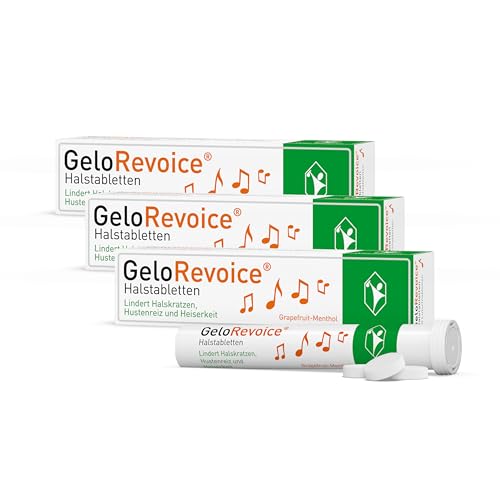
Best for: Singers seeking advanced hydrogel technology
German-engineered GeloRevoice Throat Lozenges represents innovation in throat lozenge design. Unlike traditional lozenges that simply coat the throat, GeloRevoice’s patented hydrogel complex (containing hyaluronic acid, xanthan gum, and carbomer) forms a protective, moisture-retaining film over irritated mucous membranes.
Key benefits:
- Long-lasting protective barrier (up to 3 hours)
- Hyaluronic acid provides deep tissue hydration
- No menthol or numbing agents—won’t mask warning signs
- Pleasant elderflower or cherry flavor
- Clinically tested for efficacy with voice professionals
- Suitable for frequent, preventative use
Potential drawbacks:
- Premium price point
- May be harder to find in US stores (easier to purchase online)
- Relief is more gradual than medicated options
Professional singers in Europe have embraced GeloRevoice for its science-backed approach. Rather than simply numbing discomfort, it addresses the underlying dryness and inflammation that compromise vocal performance.
Thayer’s Slippery Elm Lozenges

Best for: Natural, gentle daily vocal maintenance
Based on a traditional 1865 apothecary formula, Thayer's Slippery Elm Lozenges deliver time-tested botanical relief. The star ingredient, slippery elm bark, contains mucilage that becomes gel-like when mixed with water, creating a soothing coating over irritated tissues.
Key benefits:
- All-natural ingredients (slippery elm, licorice root, honey, lemon)
- Exceptional soothing and lubricating properties
- Relief lasts up to 30 minutes—longer than most competitors
- No menthol, artificial colors, or harsh chemicals
- Pleasant, mild honey-lemon flavor
- Safe for frequent daily use
- Non-drowsy formula
Potential drawbacks:
- Not as immediately powerful for acute pain as medicated options
- Contains sugar (not ideal for diabetics—seek sugar-free alternatives)
- Licorice root may interact with certain medications or conditions
Singers appreciate Thayer’s for everyday vocal care rather than emergency relief. The gentle formulation makes it perfect for maintaining throat health during cold/flu season or in dry climates. Many vocal coaches recommend keeping a bag in your rehearsal space.
Ricola Natural Herb Throat Lozenges
Best for: Natural relief with proven herbal ingredients
Swiss-made Ricola Natural Herb Throat Lozenges have been soothing throats since 1930 using their proprietary blend of 10 Swiss Alpine herbs, including elderflower, horehound, hyssop, lemon balm, linden flowers, mallow, peppermint, sage, thyme, and wild thyme.
Key benefits:
- 100% natural herb mixture with complementary therapeutic properties
- Multiple flavor options (Original, Cherry Honey, Lemon Mint, etc.)
- Widely available at drugstores and supermarkets
- Reasonable price point for quality ingredients
- Sugar-free varieties available
- Pleasant taste makes regular use easy
Potential drawbacks:
- Some varieties contain menthol (check labels if avoiding)
- May not provide sufficient relief for severe throat pain
- Herbal blend effectiveness varies by individual
Ricola strikes an excellent balance between natural ingredients, effectiveness, and affordability. The herb mixture offers genuine therapeutic benefits rather than just masking symptoms. Many singers use Ricola as their go-to daily lozenge, reserving stronger medications for more serious issues.
Halls Cough Drops

Best for: Budget-friendly medicated relief
Don’t let the familiar brand fool you—Halls Cough Drops remains a solid choice for singers needing reliable, accessible throat relief. The brand offers numerous formulations, from gentle honey-lemon varieties to maximum-strength menthol.
Key benefits:
- Extremely affordable and universally available
- Proven menthol and eucalyptus effectiveness
- Wide variety of flavors and strengths
- Sugar-free options for diabetics
- Vitamin C-enriched varieties support immune function
- Portable packaging for on-the-go use
Potential drawbacks:
- High menthol content may dry throat with extended use
- Some varieties contain artificial ingredients
- Not specifically formulated for singers’ unique needs
- Strong flavors may be overwhelming
While not designed exclusively for vocalists, Halls provides legitimate relief at an unbeatable price. The key is using them strategically—opt for honey-lemon or “breezers” varieties for milder effects, and avoid overusing the maximum-strength versions that might dry your throat.
GRETHER’S Pastilles

Best for: Premium, luxurious vocal care
Handcrafted in Switzerland since 1850, GRETHER'S Pastilles represent the gold standard in throat lozenges. Opera legends and professional vocalists have trusted these elegant pastilles for over 165 years, and they’ve earned their legendary status.
Key benefits:
- 100% natural ingredients: glycerin, gum arabic, real fruit juice
- Unique slow-dissolve formulation (30+ minutes of soothing)
- Creates sustained protective coating over vocal cords
- Sophisticated flavors: Blackcurrant, Redcurrant, Elderflower, Blueberry
- Gentle enough for multiple daily use
- Beautiful vintage tin packaging
- No menthol, artificial ingredients, or harsh chemicals
Potential drawbacks:
- Premium price (approximately $12-18 per tin)
- Contains sugar (sugar-free version available but harder to find)
- May be too mild for severe acute pain
- Specialty item—not available in all stores
GRETHER’S pastilles excel at preventative care and recovery support. Their gentle, sustained action makes them ideal for before and after performances, during extended rehearsals, or any time your voice needs tender care. Many professional singers consider them an essential investment in their vocal longevity.
The blackcurrant variety remains the classic choice, but all flavors deliver the same effective formulation with subtle taste variations.
Sambucol Black Elderberry Gummies

Best for: Immune support and throat soothing combined
Sambucol Black Elderberry Gummies take a dual approach: soothing current throat irritation while supporting your immune system to prevent future issues. The formula combines black elderberry extract with vitamins A, C, and E plus zinc.
Key benefits:
- Clinically-researched black elderberry extract
- Immune-boosting vitamin and mineral blend
- Pleasant gummy format—easy and enjoyable to take
- Works preventatively when taken at first sign of cold symptoms
- Sweet Mint and Citrus flavors taste like candy
- Pectin-based (though contains gelatin—see note below)
Potential drawbacks:
- Contains gelatin (not suitable for vegetarians/vegans)
- Less potent for immediate severe throat pain
- Higher sugar content than hard lozenges
- Best when used consistently rather than as-needed
Sambucol works best as part of a proactive vocal health strategy. Start taking them at the first tickle of a sore throat or during cold/flu season to reduce your chances of developing full-blown laryngitis. Clinical studies support elderberry’s antiviral properties and ability to shorten illness duration.
Note: Vegetarians and vegans should seek gelatin-free elderberry alternatives like Nature's Way Sambucus Elderberry Lozenges.
Additional Worthy Mentions
Several other brands deserve recognition for specific strengths:
- Fisherman's Friend Original Extra... – Extra-strong menthol and eucalyptus for serious congestion; beloved by singers dealing with colds
- Strepsils Original 16 Lozenges by... – Popular in UK/Europe; contains antiseptic ingredients for bacterial throat infections
- Cepacol Extra Strength Sore Throat &... – Dual-action formula with benzocaine and menthol; use cautiously due to numbing effects
- Luden's Sore Throat Relief Drops, Wild... – Gentle pectin-based formula; great for singers who prefer mild relief
- ZAND HerbaLozenge Elderberry Zinc, 50... – Natural herbal blends with zinc and vitamin C; good middle-ground between gentle and medicated
Essential Tips for Singers to Maintain Vocal Health
Throat lozenges provide valuable support, but they work best as part of a comprehensive vocal health strategy. Here’s how to keep your voice in peak condition:
Hydration: Your Voice’s Best Friend
Adequate hydration stands as the single most important factor in vocal health. Your vocal folds are delicate mucous membranes that require consistent moisture to vibrate efficiently without friction or injury.
Hydration best practices:
- Drink at least 8-10 glasses (64-80 ounces) of water daily—more if you’re performing or rehearsing extensively
- Keep water accessible during practice, rehearsals, and performances
- Sip room-temperature water rather than ice-cold (extreme temperatures can constrict throat muscles)
- Use a humidifier in dry environments, especially while sleeping
- Monitor urine color—pale yellow indicates proper hydration
Avoid dehydrating substances:
- Caffeine (coffee, black tea, energy drinks) acts as a diuretic
- Alcohol severely dehydrates throat tissues and impairs vocal control
- Excessive salt can promote water retention elsewhere in the body
Remember: hydration isn’t instant. Drinking water 20 minutes before performing won’t help your vocal cords—systemic hydration takes hours. Maintain consistent fluid intake throughout the day, every day.
For detailed guidance on protecting your voice, check out our comprehensive vocal warm-ups and exercises guide.
Proper Warm-Up and Cool-Down Routines
Athletes stretch before sports to prevent muscle injury. Singers need vocal warm-ups for the same reason—your larynx contains intricate muscles that require preparation before intense use.
Effective warm-up techniques:
- Gentle humming – Start with closed-mouth humming on comfortable mid-range pitches
- Lip trills – Vibrate lips while sliding up and down scales to engage breath support
- Sirens – Glide smoothly from lowest to highest comfortable notes on “oo” or “ng” sounds
- Gentle scales – Progress to vowel exercises (ah, eh, ee, oh, oo) on scales, gradually expanding range
- Duration – Minimum 10-15 minutes before singing; 20-30 minutes before performances
Cool-down exercises:
- Spend 5-10 minutes after intense vocal use doing gentle descending scales
- Use vowel slides from high to low ranges
- End with soft humming to help vocal folds return to resting position
- This realigns vocal cord tissue strained during vigorous use
Never skip warm-ups, especially before challenging material. Cold muscles tear more easily—the same principle applies to vocal folds.
Practice Excellent Vocal Hygiene
Daily habits significantly impact long-term vocal health. Small adjustments to your routine can prevent chronic issues:
Do:
- Use proper breathing technique – Engage your diaphragm rather than shallow chest breathing
- Maintain good posture – Standing or sitting with aligned spine allows optimal breath flow
- Rest your voice – Schedule vocal rest days, especially after demanding performances
- Speak at moderate volume – Avoid shouting or speaking loudly for extended periods
- Steam inhalation – Breathe steam from hot water (carefully!) to hydrate and soothe vocal tissues
- Sleep 7-9 hours – Rest is when tissue repair occurs
Don’t:
- Clear your throat forcefully – This slams vocal folds together; swallow or sip water instead
- Whisper excessively – Whispering actually strains vocal cords more than normal speech
- Smoke or vape – Tobacco and chemicals directly damage delicate throat tissues
- Sing or speak over loud noise – Competing with background sound promotes vocal strain
- Use harsh mouthwashes – Alcohol-based products dry throat tissues
Listen to your body. Hoarseness, soreness, loss of range, or vocal fatigue are warning signs demanding immediate rest.
Diet and Nutrition for Vocal Health
What you eat directly affects your voice. Certain foods support vocal health while others trigger problems:
Voice-friendly foods:
- Fresh fruits and vegetables – Provide vitamins and antioxidants for tissue health
- Lean proteins – Support muscle function including vocal muscles
- Whole grains – Sustained energy without blood sugar spikes
- Honey and herbal teas – Soothe and coat throat naturally
- Foods high in water content – Watermelon, cucumber, celery contribute to hydration
Foods to limit or avoid before singing:
- Dairy products – Can increase mucus production in some people
- Spicy foods – May trigger acid reflux, irritating throat
- Acidic foods (citrus, tomatoes) – Can exacerbate reflux in susceptible individuals
- Fried or fatty foods – Slow digestion, promote reflux
- Chocolate and mint – Relax esophageal sphincter, potentially causing reflux
- Very cold foods/drinks – Can temporarily constrict throat muscles
Individual responses vary. Keep a food journal noting what you ate before performances and how your voice felt. This helps identify personal triggers.
Important Precautions for Special Populations
Certain groups require extra consideration when selecting throat lozenges:
Diabetic singers: Many lozenges contain significant sugar. Look for sugar-free options sweetened with xylitol, sorbitol, or stevia. Check carbohydrate counts and factor lozenges into your daily intake. Quality sugar-free options include VocalZone Sugar-Free Throat Lozenges, Halls Sugar-Free Cough Drops, and Ricola Sugar-Free Throat Lozenges.
Pregnant singers: Always consult your obstetrician before using medicated lozenges. Many contain ingredients (like high-dose menthol or certain herbs) not recommended during pregnancy. Generally safe options include plain honey-based lozenges and Thayer’s (though licorice root warrants caution in pregnancy). When in doubt, ask your healthcare provider.
Singers with medical conditions: If you have hypertension, heart conditions, thyroid disorders, or take prescription medications, check with your doctor or pharmacist about potential interactions with lozenge ingredients. Some herbs and even menthol can interact with medications.
When to see a doctor:
- Hoarseness lasting more than 2-3 weeks
- Complete voice loss
- Painful swallowing or breathing difficulty
- Blood in saliva or phlegm
- Fever above 101°F (38.3°C) with sore throat
- Recurring vocal problems
- Visible throat swelling or lumps
Don’t try to “sing through” serious vocal problems. Permanent damage can result from continuing to strain injured vocal cords.
Interactive: Find Your Perfect Throat Lozenge
🎤 Throat Lozenge Selector Quiz
Answer these questions to discover which throat lozenge best suits your vocal needs:
1. What’s your primary concern?
2. What’s your ingredient preference?
3. What’s your budget?
Conclusion: Protecting Your Vocal Investment
Your voice is irreplaceable. Whether you sing professionally, perform in community theater, lead worship at church, or simply love to sing, protecting your vocal health should be a top priority. The right throat lozenges serve as valuable tools in your vocal care arsenal—but they’re most effective when combined with proper hydration, vocal technique, rest, and healthy lifestyle choices.
Remember these key takeaways:
- Choose lozenges based on your specific needs: prevention, acute relief, or immune support
- Prioritize natural, gentle ingredients for regular use
- Avoid numbing agents like benzocaine that mask warning signs of vocal damage
- Stay consistently hydrated—it’s more important than any lozenge
- Never skip warm-ups or push through serious vocal pain
- Invest in your vocal health before problems arise
Start with one or two options from our recommended list. VocalZone Throat Lozenges and Thayer's Slippery Elm Lozenges make an excellent combination—medicated relief when needed, natural maintenance for daily use. As you learn what works for your unique voice, you can refine your lozenge strategy.
Most importantly, listen to your body. Throat lozenges provide relief and support, but they cannot heal damaged vocal cords or substitute for proper rest. If you experience persistent vocal issues, consult an ear, nose, and throat specialist (ENT) or a laryngologist who specializes in voice disorders.
Your voice deserves the best care possible. With the right lozenges and vocal health practices, you’ll be able to sing confidently for years to come.